


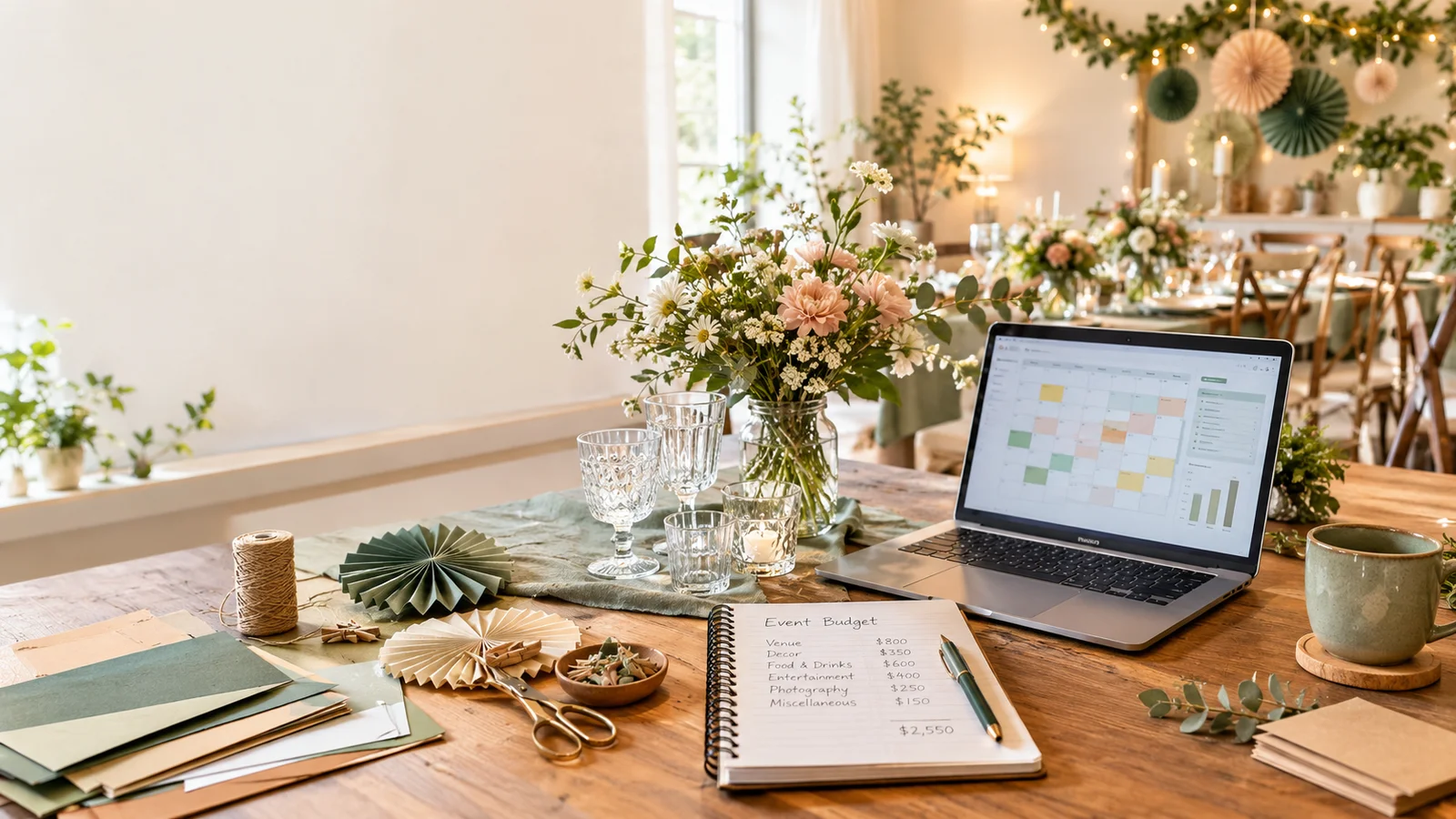
Planning a memorable event does not necessarily require a large budget. Whether organizing a birthday celebration, wedding reception, family gathering, graduation party, or corporate function, thoughtful preparation can make a significant difference in the final experience. The challenge is finding the right balance between affordability, creativity, and quality.
This is where resources such as thriftyevents net become relevant. With an emphasis on budget-conscious celebrations, the website focuses on practical event planning information, creative do-it-yourself projects, and money-management strategies. Its central idea is straightforward: people should be able to organize enjoyable occasions without putting unnecessary pressure on their finances.
For individuals who enjoy hosting gatherings but want to control expenses, exploring affordable planning techniques can open up many possibilities. From selecting an appropriate venue to creating personalized decorations, small decisions can influence both the overall cost and the atmosphere of an event.
Understanding how to approach event planning strategically can help hosts avoid common mistakes, make informed purchasing decisions, and create experiences that guests genuinely appreciate.
What Is ThriftyEvents.net?
ThriftyEvents.net is an online resource focused on budget-friendly event planning, creative DIY ideas, and practical financial strategies for celebrations.
The website presents information intended to help readers approach different occasions with a greater understanding of organization and spending. Its subject matter includes small personal gatherings, larger celebrations, and corporate events.
Rather than focusing exclusively on expensive decorations or elaborate venues, its general approach emphasizes making thoughtful choices with available resources.
The website organizes its content around several central topics:
- Event Planning: Guidance for organizing celebrations, coordinating arrangements, and managing important details.
- Budgeting Tips: Ideas for controlling expenses and allocating money effectively.
- DIY Ideas: Creative projects that can help personalize decorations and event accessories.
These categories provide a starting point for readers who want to explore different approaches to organizing an event.
It is worth understanding that informational content and professional event-planning services are not necessarily the same thing. Readers should check individual pages before assuming that the website provides vendor bookings, reservations, or hands-on event coordination.
Why Budget-Friendly Event Planning Matters
Events are often associated with significant expenses. Venue rentals, food, decorations, entertainment, photography, transportation, and other arrangements can quickly increase the total cost.
Without a clear financial plan, Thriftyevents net even a relatively small gathering can become more expensive than expected.
Budget-friendly planning addresses this challenge by encouraging hosts to identify priorities before making purchases.
For example, someone organizing a birthday party for 30 guests might initially consider renting an expensive venue, ordering elaborate decorations, and hiring multiple entertainment providers.
However, a different approach could involve hosting the gathering at a suitable community space, preparing selected decorations independently, and choosing affordable entertainment.
The objective is not to eliminate everything that makes an event special. It is to spend money where it contributes most to the experience.
Better Financial Control
Creating a budget before making arrangements gives hosts a clearer understanding of their financial limits.
It also makes it easier to compare suppliers, identify unnecessary expenses, and avoid last-minute purchases.
More Creative Opportunities
Limited resources can encourage people to explore unconventional ideas.
Homemade centerpieces, personalized invitations, reusable decorations, and themed food stations can create an attractive atmosphere without requiring expensive professional services.
Reduced Planning Stress
Financial uncertainty is one of the common sources of event-planning stress.
A realistic spending plan helps organizers make decisions with greater confidence and reduces the likelihood of unexpected financial pressure.
How to Create an Event Budget That Actually Works
A practical budget is one of the most important elements of successful event organization.
Instead of estimating the total cost without considering individual expenses, divide the available money into specific categories.
This approach makes it easier to monitor spending throughout the planning process.
1. Establish Your Total Spending Limit
Start by deciding how much money you can comfortably spend.
Your budget should reflect your actual financial situation rather than an idealized version of the event.
For example, if you have $1,500 available for a family celebration, treat that amount as the maximum rather than assuming you can cover additional expenses later.
A realistic spending limit creates a foundation for every subsequent decision.
2. Identify Essential Expenses
Some costs are more important than others.
For most gatherings, essential expenses may include:
- Venue or location.
- Food and beverages.
- Basic seating arrangements.
- Necessary equipment.
- Guest transportation, where applicable.
Once these priorities are identified, you can determine how much money remains for optional features.
3. Compare Multiple Suppliers
Avoid accepting the first price you receive.
Contact different vendors and request itemized estimates. Compare what each package includes instead of looking exclusively at the advertised price.
For example, one catering company might offer a lower starting price but charge extra for delivery, serving equipment, and cleanup.
Another provider may include these services in its original quotation.
Understanding the complete cost helps prevent unpleasant surprises.
4. Reserve Money for Unexpected Expenses
Even carefully organized events can involve unexpected costs.
A supplier might change a delivery fee, additional guests may need meals, or an equipment replacement may become necessary.
Keeping approximately 10% to 15% of the budget available as a contingency reserve can provide additional flexibility. The appropriate amount depends on the event’s size and complexity.
Affordable Event Ideas for Different Occasions
Every celebration has different requirements. A strategy that works for a birthday gathering may not be appropriate for a corporate conference or wedding reception.
The most effective approach is to adapt the budget to the purpose of the occasion.
Birthday Parties
Birthday celebrations can be enjoyable without expensive entertainment or elaborate venue arrangements.
Consider hosting the gathering at home, in a backyard, or at an affordable community location.
Simple ideas include:
- Creating a themed photo corner.
- Preparing homemade decorations.
- Organizing interactive party games.
- Serving a combination of homemade and purchased food.
- Using digital invitations instead of printed cards.
A carefully selected theme can make even a simple gathering feel organized and special.
Weddings and Engagement Celebrations
Weddings often involve multiple expenses, making financial planning particularly important.
Couples can explore several ways to control costs without sacrificing the meaning of the occasion.
Consider choosing an off-peak wedding date, reducing unnecessary guest-list additions, comparing photography packages, and selecting seasonal flowers.
Another option is to simplify the reception design.
Instead of decorating every available space, focus on the entrance, dining tables, and main photography area.
These locations often have the greatest influence on the overall visual experience.
Graduation Parties
Graduation celebrations provide an opportunity to bring friends and family together.
Affordable planning ideas include displaying personal photographs, creating a memory wall, arranging a shared food table, and preparing a simple themed dessert station.
Personal touches often make these celebrations more meaningful than expensive decorations.
Corporate Events
Businesses also benefit from thoughtful event budgeting.
Meetings, networking sessions, workshops, and employee appreciation events do not always require premium venues or elaborate catering.
Organizations can consider smaller meeting spaces, digital registration systems, simple refreshments, and reusable presentation materials.
However, professional appearance, accessibility, and attendee comfort should remain important considerations.
DIY Decorations: Making Ordinary Spaces Look Special
Decorations help establish the atmosphere of an event, but purchasing every decorative item can become expensive.
DIY projects provide an alternative for hosts who enjoy creative activities and want more control over their designs.
Handmade Centerpieces
Centerpieces can make dining tables look more attractive.
Glass jars, seasonal flowers, candles, and decorative fabric can be combined to create simple arrangements.
For example, a collection of matching glass containers with inexpensive flowers can create a coordinated appearance across several tables.
Personalized Photo Displays
Photographs can add personality to birthdays, anniversaries, graduation parties, and family gatherings.
Print selected photographs and arrange them on a decorative board or display wall.
This approach is particularly useful for events where personal memories are an important part of the celebration.
Creative Lighting
Lighting can influence the atmosphere of an event.
Battery-operated LED lights, decorative lamps, and suitable string lights can create a welcoming environment.
For outdoor events, always consider weather conditions, electrical safety, and appropriate lighting placement.
Reusable Decorations
One effective way to reduce long-term event expenses is to purchase decorations that can be used again.
Neutral tablecloths, reusable signs, decorative stands, and storage-friendly accessories can serve multiple occasions.
Instead of buying completely new supplies for every celebration, build a collection of versatile items.
Choosing an Affordable Venue Without Compromising Comfort
Venue selection is often one of the biggest event-planning decisions.
An attractive location may seem appealing initially, but its total cost should be evaluated carefully.
Start by identifying the number of expected guests and the facilities required.
A smaller event might work well in a backyard, community center, or private room at a local restaurant. Larger gatherings may require dedicated event spaces.
When comparing locations, consider the following factors:
Capacity: Is there enough comfortable space for everyone?
Accessibility: Can guests reach the location conveniently?
Parking: Is parking available, and does it involve additional charges?
Facilities: Are restrooms, seating, lighting, and basic equipment included?
Restrictions: Are there rules regarding catering, decorations, music, or event duration?
Additional Fees: Are cleaning, security, deposits, and overtime charges included?
A lower rental price does not automatically represent better value. A slightly more expensive venue may include facilities that would otherwise require separate rentals.
Smart Catering Strategies for Affordable Celebrations
Food and beverages can account for a substantial portion of an event budget.
The best way to control catering costs is to match the menu to the occasion, guest count, and available facilities.
Choose a Practical Menu
A complicated menu is not always necessary.
For informal gatherings, consider sandwiches, pasta dishes, salads, seasonal fruit, and simple desserts.
For more formal celebrations, choose a smaller selection of well-prepared dishes rather than offering numerous expensive options.
Understand Guest Preferences
Consider dietary restrictions, allergies, and common food preferences when planning the menu.
Providing suitable vegetarian options and clearly identifying common allergens can make guests more comfortable.
Avoid Excessive Food Waste
Estimate quantities according to the expected attendance and type of meal.
A buffet-style arrangement may work well for some gatherings, while individually served meals may be more appropriate for formal occasions.
Discuss portion sizes with the caterer before confirming the order.
Compare Catering Packages
Ask providers to explain exactly what their quotations include.
Food preparation, transportation, serving staff, tableware, and cleanup can all affect the final price.
An itemized estimate makes comparisons much easier.
How to Stay Organized During Event Planning
Good organization can prevent unnecessary expenses just as effectively as finding discounts.
A practical planning timeline helps ensure that important responsibilities are completed before the event.
Four to Eight Weeks Before the Event
- Establish the budget.
- Select the date and location.
- Estimate the guest count.
- Research potential suppliers.
- Decide on the overall theme.
Two to Four Weeks Before the Event
- Confirm important bookings.
- Send invitations.
- Finalize catering arrangements.
- Purchase essential decorations.
- Arrange entertainment and equipment.
One Week Before the Event
- Confirm attendance.
- Review supplier arrangements.
- Prepare decorations.
- Check the venue.
- Verify transportation and delivery schedules.
One Day Before the Event
- Organize supplies.
- Prepare the venue where possible.
- Confirm arrival times with suppliers.
- Review the event schedule.
- Keep important contact information accessible.
A written checklist can make this process easier, especially when several people are involved in organizing the occasion.
How to Use ThriftyEvents.net Effectively
Readers exploring thriftyevents net can approach the website as a starting point for discovering ideas related to affordable celebrations.
The most useful approach is to connect the information with a specific planning requirement.
For example, someone organizing a wedding might explore budgeting advice before researching decorations and venue arrangements.
A person preparing a birthday celebration could focus on DIY projects, affordable themes, and practical organization techniques.
To get more value from online event-planning resources, follow a few simple steps:
- Identify the specific event you are organizing.
- Browse relevant planning and budgeting categories.
- Make a list of ideas that fit your requirements.
- Compare those ideas with your available budget.
- Verify prices and service details independently.
- Adapt suitable suggestions to your event.
Remember that online articles provide general information rather than guaranteed pricing or personalized vendor recommendations.
Before making financial commitments, contact suppliers directly and confirm all important details in writing.
Common Event-Planning Mistakes That Increase Costs
Even experienced organizers can make decisions that unnecessarily increase event expenses.
Recognizing these mistakes early can help protect the budget.
Starting Without a Financial Plan
Beginning purchases before establishing a spending limit can result in poor financial decisions.
Create the budget first and use it as a reference throughout the planning process.
Overcomplicating the Event Theme
A theme should provide direction, not create unnecessary expenses.
Choose a concept that can be implemented using a manageable selection of decorations, colors, and accessories.
Ignoring Hidden Charges
Delivery, installation, cleaning, taxes, service charges, and overtime can increase the final cost.
Always request complete quotations before confirming arrangements.
Waiting Until the Last Minute
Last-minute purchases can limit your choices and make it harder to compare prices.
Whenever possible, begin planning early enough to research alternatives.
Prioritizing Appearance Over Guest Experience
An event may look impressive in photographs but still be uncomfortable for attendees.
Adequate seating, convenient access, appropriate food, and good organization should take priority over unnecessary decorative features.
Frequently Asked Questions
1. What is thriftyevents net?
ThriftyEvents.net is a website focused on budget-friendly event planning, DIY decoration ideas, and practical budgeting information. Its content is intended to help readers explore ways to organize celebrations while managing expenses.
2. What type of information can I find on ThriftyEvents.net?
The website features content related to event organization, budgeting strategies, creative DIY projects, and affordable celebration ideas. Its main categories include Event Planning, Budgeting Tips, and DIY Ideas.
3. Is ThriftyEvents.net useful for planning a birthday party?
It can serve as a starting point for discovering affordable party ideas, decoration inspiration, and budgeting approaches. Readers should adapt suggestions to their guest count, location, and available spending limit.
4. Can I find affordable wedding planning ideas?
Yes. Budget-conscious wedding planning is relevant to the website’s broader event-planning subject matter. Ideas such as comparing venues, simplifying decorations, and selecting seasonal flowers can help couples manage expenses.
5. Does ThriftyEvents.net provide DIY decoration ideas?
DIY ideas are one of the website’s main content categories. Such projects can include creative decorations, personalized displays, and practical approaches to making event spaces more attractive.
6. Is ThriftyEvents.net an event-booking service?
The website primarily presents itself as an informational event-planning resource. Visitors should check individual pages for any specific services rather than assuming that venue reservations or professional coordination are available.
7. How can I organize an event with a limited budget?
Start by establishing a spending limit, identifying essential expenses, comparing suppliers, and prioritizing features that matter most to your guests. Consider reusable decorations and practical venue options to control costs.
8. Are DIY decorations suitable for formal events?
Yes. Carefully selected DIY decorations can work well at weddings, corporate gatherings, and other formal occasions. The key is choosing appropriate materials, maintaining consistent colors, and paying attention to presentation.
9. How can I avoid unexpected event expenses?
Request itemized supplier quotations, read rental agreements carefully, confirm additional charges, and maintain a contingency reserve. Written confirmations can also help prevent misunderstandings.
10. Why should I explore budget-friendly event planning resources?
These resources can introduce new ideas, help organize responsibilities, and encourage better spending decisions. They are particularly useful for people who want to create enjoyable experiences while remaining within a realistic financial limit.
Conclusion
Organizing a memorable celebration is ultimately about creating a positive experience for the people attending it. Expensive venues, elaborate decorations, and premium catering are not the only ways to achieve that goal.
A thoughtful budget, creative planning, and careful supplier comparisons can make almost any occasion more manageable.
ThriftyEvents.net offers a starting point for readers interested in affordable event organization, DIY projects, and practical budgeting strategies. Its focus on making celebrations more accessible reflects an approach that many individuals, families, and organizations can appreciate.
Whether planning a birthday party, wedding, graduation Thriftyevents net celebration, or corporate gathering, the most effective strategy is to identify what matters, allocate resources wisely, and avoid unnecessary spending.
With the right preparation, it is possible to create an enjoyable event that leaves guests with lasting memories without placing excessive pressure on the budget.
